Tax Day 2026: Everything You Need To Know Before the April 15 Deadline
Whether you’ve been dreading it or looking forward to a potential refund, it’s the time of year again. I know, I know – taxes aren’t exactly the most exciting thing to talk about over coffee, but this year is a bit different. Because of some massive legislative shifts, Tax Day 2026 isn’t just about meeting a deadline; it’s about navigating a completely new landscape of deductions that could put a significant amount of cash back in your pocket.
I’ve been diving deep into the latest IRS updates, and honestly, if you file the same way you did last year, you might be leaving money on the table. So, let’s break down what you need to do before the clock strikes midnight on April 15.
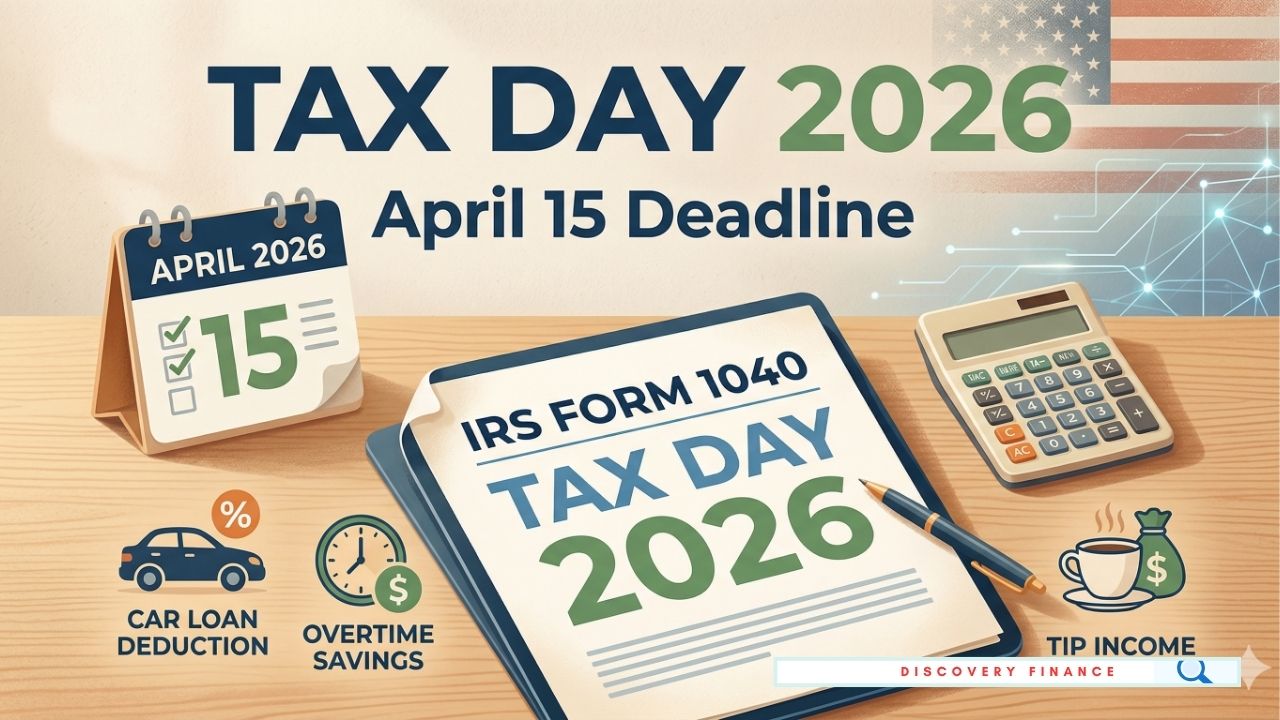
Marking Your Calendar for Tax Day 2026
The most important thing to remember is that Tax Day 20226 falls on Wednesday, April 15. While that seems like a standard date, the rules for what happens on that day have shifted.
Unlike previous years, where the IRS was a bit more lenient with “paper trails”, 2026 is the year of digital-first filing. If you are expecting a refund, the IRS has moved almost exclusively to direct deposit. If you haven’t updated your banking info on file, you could be waiting months for a check that might never come.
Also, if you’re feeling overwhelmed, remember you can always file an extension. However, keep in mind that an extension to file is not an extension to pay. You still need to estimate what you owe and send that in April 15 to avoid those pesky interest charges.
Fresh Deductions to Claim Before Tax Day 2026
This is where it gets interesting! This filing season is the first one where we see the full effect of the “One, Big, Beautiful Bill.” If you’ve been feeling the pinch of rising costs, these new provisions are designed to offer some relief.
- The Overtime Break: If you’re a hard worker who clocks in a lot of extra hours, you’re going to love this. For the first time, the “premium” portion of your overtime pay (the “half” in time-and-a-half) is potentially tax-exempt up to a certain limit.
- Car Loan Interest: This is a game-changer for many of us. You can now deduct interest paid on personal auto loans, which is a huge shift in US tax policy.
- No Tax on Tips: Service industry friends, rejoice! Qualified tip income now has a significant exemption, helping you keep more of what you earned on the floor.
As we navigate these changes, it’s hard not to notice how the broader economy is shifting. Many analysts are wondering is stagflation lite 2026 the new normal given these new tax incentives alongside persistent inflation. Understanding how your taxes fit into this bigger economic picture can help you make better spending decisions for the rest of the year.
Avoiding Common Filing Blunders This Tax Day 2026
I’ve seen a lot of people get tripped up by the new forms. To make sure your Tax Day 2026 experience is stress-free, keep an eye out for the new Schedule 1-A. This is the specific form where you’ll list those new deductions like car interest and overtime exemptions.
Another thing to watch out for is your 1099-K. If you’re a freelancer or have a side hustle, the IRS is looking closer to apps like Venmo and PayPal than ever before. To stay safe, it’s always a good idea to check the latest IRS Newsroom updates to see the exact reporting thresholds for this year.
Final Thoughts
At the end of the day, taxes are about more than just numbers – they’re about your hard-earned money and your future. While the rules for Tax Day 2026 might seem complicated at first, they actually offer some of the best opportunities for middle-class savings we’ve seen in decades.
Don’t wait until April 14 to start. Take a look at your pay stubs, grab your car loan statements, and get ahead of the game. You’ve worked hard for your money; make sure you keep as much of it as possible!
What are you planning to do with your refund this year? Let me know in the comments below – I’d love to hear your plans!
Share this:


You May Also Like

Mayer Amschel Rothschild Banking Dynasty That Influenced Global Finance

Trump’s Crypto Reserve and Its Impact on the Stock Market