Warsh Worries: Why the Next Fed Chair Has the Markets on Edge
Hey there! If you’ve been checking your portfolio or watching the news lately, you might have felt a bit of a chill in the air. The financial world is buzzing with a new king of anxiety that analysts have dubbed Warsh Worries. As we move deeper into 2026, the question of who will succeed Jerome Powell at the helm of the Federal Reserve is no longer just a “DC insider” topic – it’s a major market mover that could change how much you pay for a mortgage or how your stocks perform.
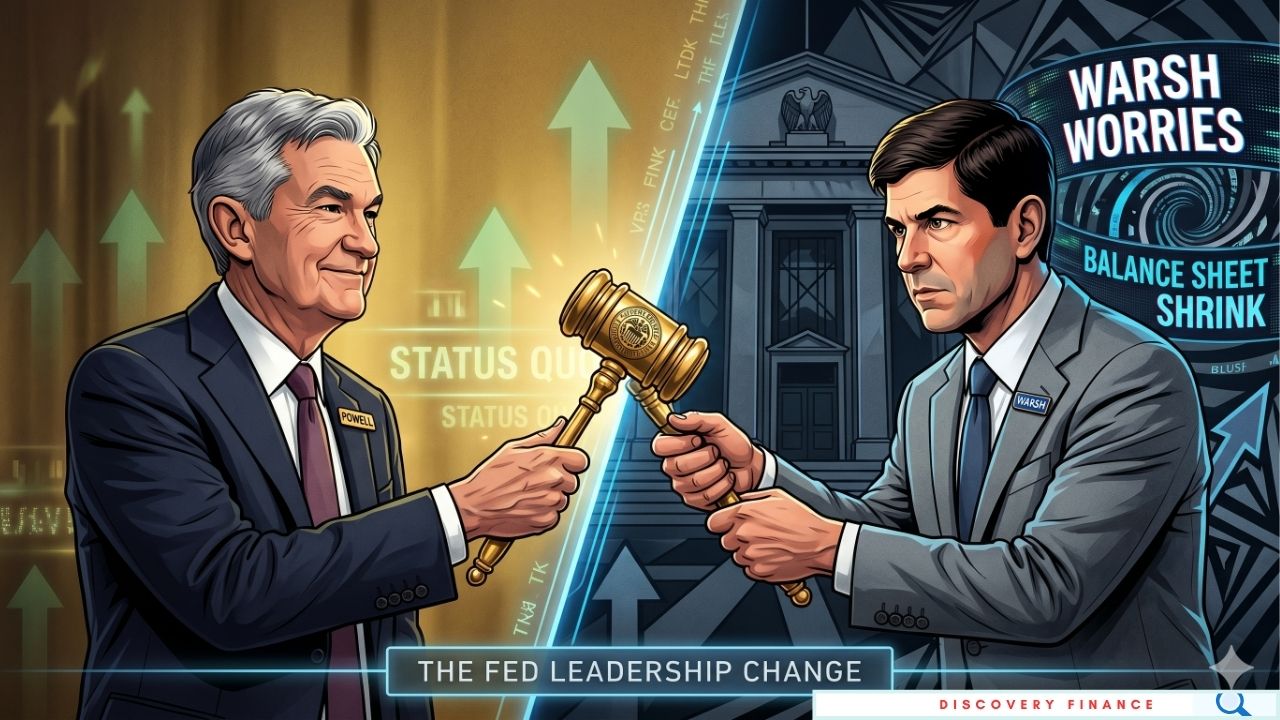
Understanding the Roots of Warsh Worries
So, what exactly are these Warsh Worries all about? It centers on Kevin Warsh, a former Fed Governor who has emerged as a top pick to lead the central bank. While the market has spent the last year dreaming of “lower for longer” interest rates, Warsh has a bit of reputation for being a “hawk”. He’s historically been more interested in shrinking the Fed’s massive balance sheet rather than just focusing on interest rate cuts.
If he takes the wheel, the easy-money era we’ve enjoyed might face a serious reality check. This shift in policy could not unexpected upward pressure on yields, making those “expensive” tech valuations look a lot riskier than they did a few months ago.
How Warsh Worries Could Impact Your Tech Investments
It’s not just about the big banks; these Warsh Worries trickle down to the sectors we love most, like Artificial Intelligence. When interest rates stay high, it costs more for companies to innovate and build out infrastructure. This is particularly relevant when you consider the companies NVIDIA and Corning: building the physical backbone of the AI revolution, as their growth relies on massive capital investment and stable economic environment.
If the Fed pivots toward a more restrictive stance under new leadership, the high-flying AI sector might have to prove it can deliver massive profits without the safety net of ultra-low rates.
Navigating the Market Uncertainty
It’s easy to get overwhelmed when the “smart money” starts panicking, but the best thing you can do is stay informed. While the headlines focus on the drama in Washington, the real work is happening in how these policies affect the ground-level economy. For a broader look at how these leadership shifts fit into the bigger picture of labor and inflation, you can keep0 an eye on the Federal Reserve’s official calendar to see when the next big policy hints will drop.
At the end of the day, the economy is resilient, but it’s definitely going through a “changing of the guard” moment. Whether you’re a seasoned trader or just someone trying to make sense of you 401(k), keeping a close eye on the transition and the resulting market sentiment is the best way to protect your financial future.
Share this:




3 Comments
Pingback:
Pingback:
Pingback: