-
Stanley Druckenmiller Macro Investing Strategy Behind His Market Success
When you think of the absolute titans of Wall Street, names like Warren Buffett or George Soros probably spring to mind. But there is another legendary figure who belongs right alongside them – a man who managed to string together an unbelievable 30-year run without a single losing year. We are talking about Stanley Druckenmiller. If you want to understand how he pulled off this legendary feat, you have to look at the Stanley Druckenmiller Macro Investing Strategy, a masterclass in reading global economic tea leaves and acting with extreme conviction. Let’s dive into exactly how this strategy works, how it compared to other greats of his era, and how…
-
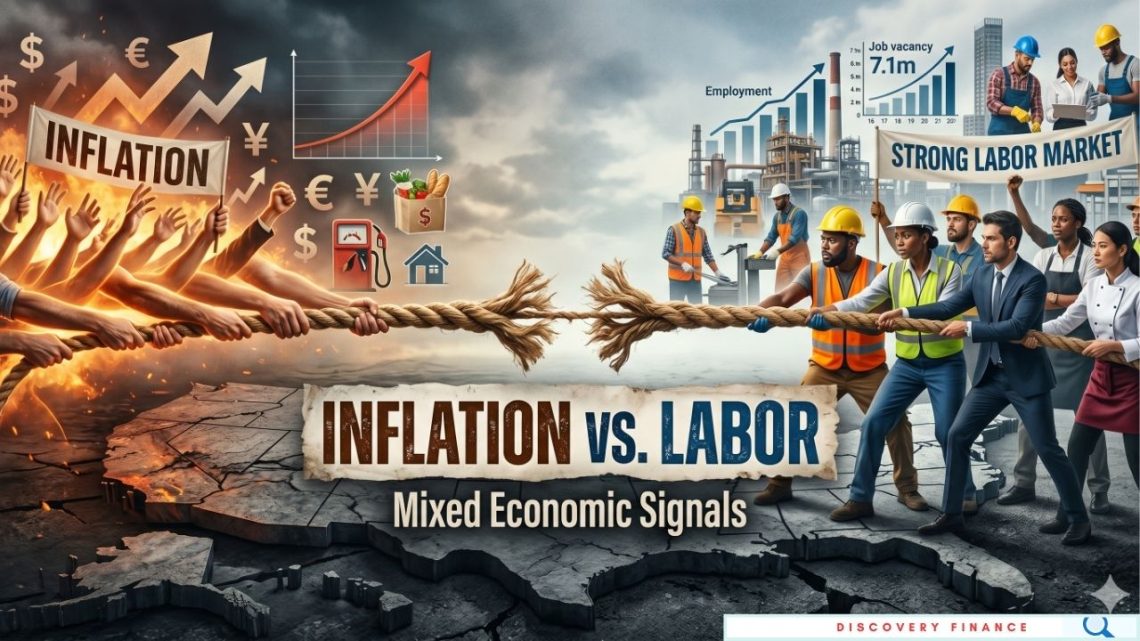
Mixed Economic Signals: Inflation vs. Labor
Hey there! If you’ve been scrolling through the news lately, you might have noticed a bit of a “tug-of-war” happening in the U.S. economy. We are seeing some pretty mixed signals right now, particularly when we look at the tension of inflation vs. labor. On one hand, the job market is showing incredible strength, but on the other, persistent price pressures and global tensions are starting to weigh on certain parts of our daily lives. Navigating the Tension of Inflation vs. Labor It’s a bit of a head-scratcher, isn’t it? While we are seeing a record-high labor force participation rate for prime-aged women at 78.5% and job openings ticking back…
-
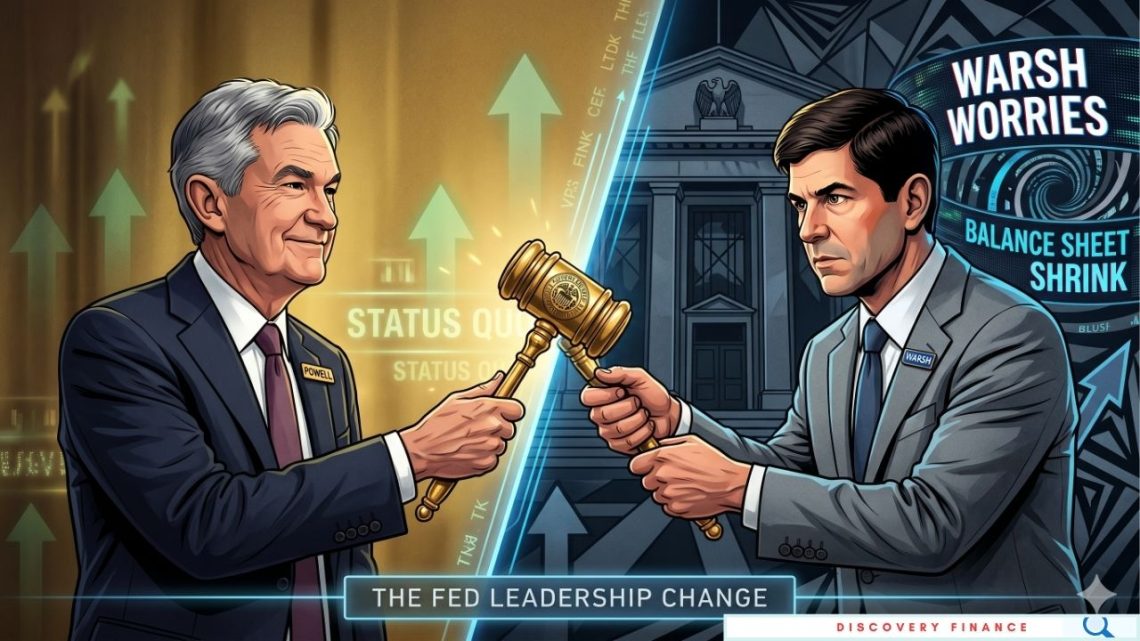
Warsh Worries: Why the Next Fed Chair Has the Markets on Edge
Hey there! If you’ve been checking your portfolio or watching the news lately, you might have felt a bit of a chill in the air. The financial world is buzzing with a new king of anxiety that analysts have dubbed Warsh Worries. As we move deeper into 2026, the question of who will succeed Jerome Powell at the helm of the Federal Reserve is no longer just a “DC insider” topic – it’s a major market mover that could change how much you pay for a mortgage or how your stocks perform. Understanding the Roots of Warsh Worries So, what exactly are these Warsh Worries all about? It centers on…
-
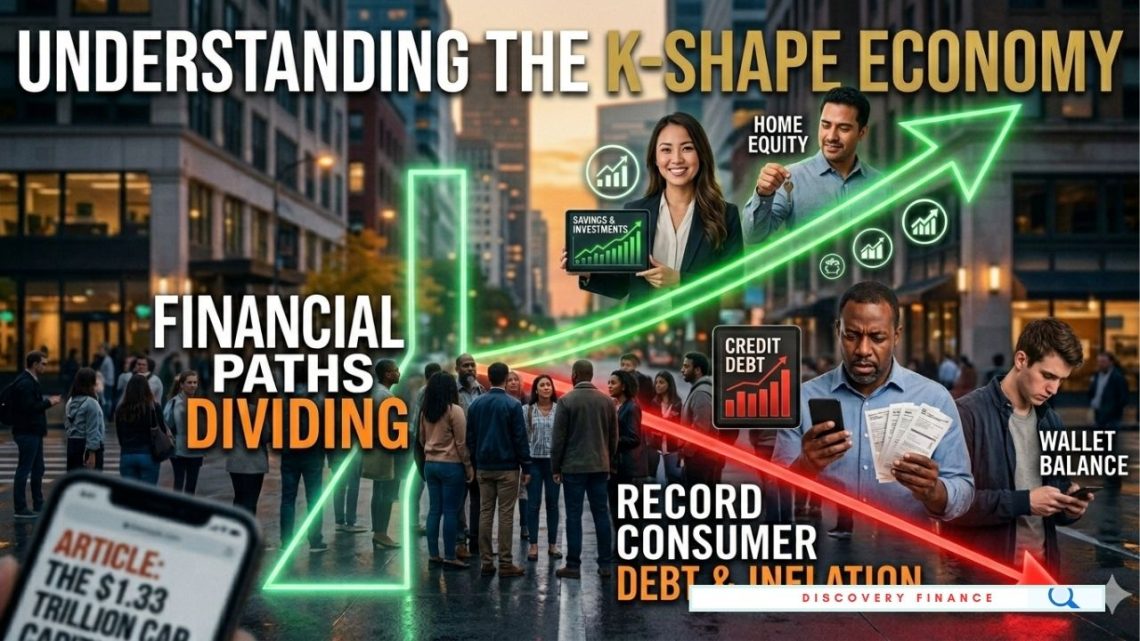
Understanding the K-shape Economy: Why the Financial Path is Splitting in 2026
By mid-2026, if you’re looking at the financial pulse of the United States, one term keeps rising to the top: the K-shape economy. It might sound like technical jargon, but once you look at the world around you, it makes perfect sense. We aren’t all moving in the same direction anymore. While some households are seeing their net worth soar through investments and home quality, others are struggling just to keep up with the rising cost of eggs and electricity. In a K-shape economy, the path splits – the “upper arm” of the K represents growth for some, while the “lower leg” represents the financial decline or stagnation for many…