The Fall of Rite Aid Bankruptcy: What Went Wrong?
When you hear about a massive corporate giant filing for Chapter 11, it is easy to view it as just another headline about big business numbers. But when that giant is the local corner drugstore where you pick up monthly prescriptions or grab last-minute household items, the Rite Aid bankruptcy hits entirely close to home. For everyday consumers, the fallout hasn’t just been about corporate restructuring; it has translated into shuttered neighborhood storefronts, a scrambling customer base, and a growing sense of anxiety over how we access basic healthcare. If you have been keeping an eye on the retail sector – perhaps noting how other chains are navigating their own economic shifts, much like what is detailed in this look at Walgreens store closure and why fewer than 100 are closing – the public impact of these shifts feels especially heavy.
Let’s take a personal, ground-level look at what these tectonic shifts mean for the public, backed by what the data and our shifting habits are actually telling us.
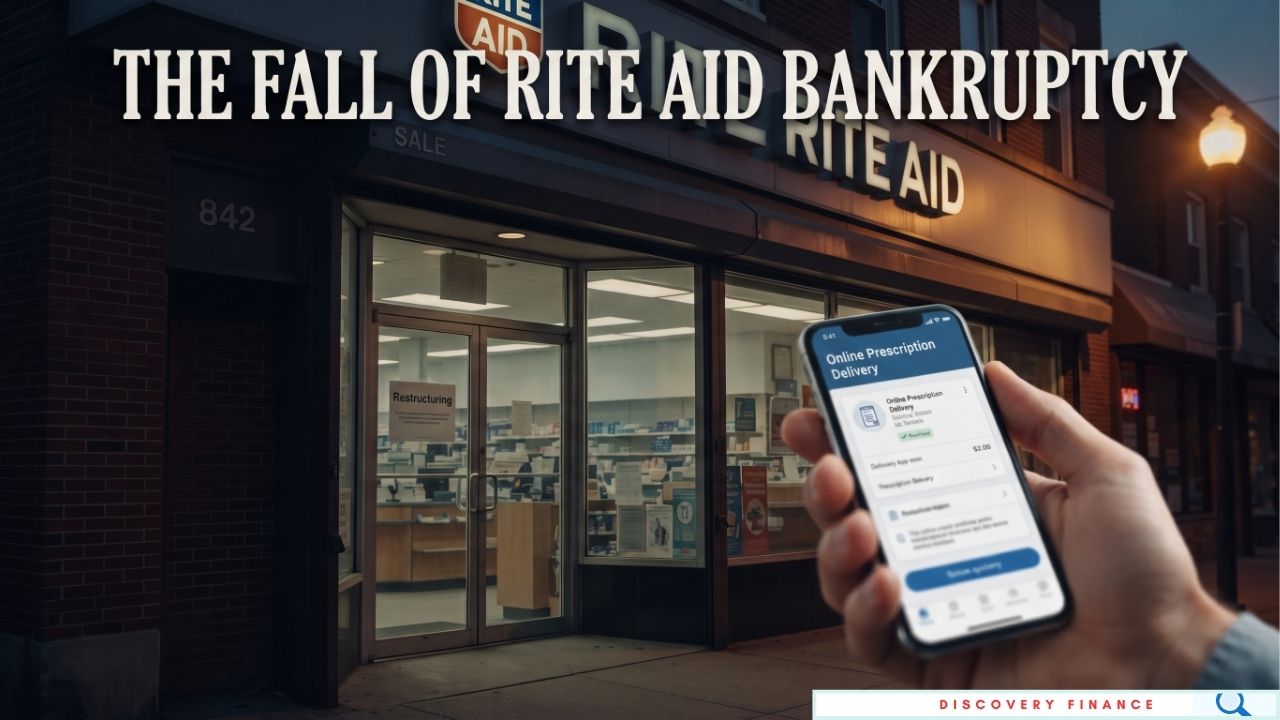
Understanding the Rite Aid Bankruptcy and Human Toll
Statistics show that when a pharmacy chain hits deep financial distress, the immediate impact lands squarely on the consumer. Long before stores officially close their doors, supply chain friction sets in.
- The Scarcity Reality: Industry and consumer data revealed that a substantial portion of Americans regularly face situations where prescriptions of everyday essentials are out of stock.
- The Neighborhood Void: With hundreds of underperforming locations wound down or closed completely, communities – particularly lower-and fixed-income neighborhoods that relied heavily on nearby storefronts – suddenly found themselves in pharmacy deserts.
- The Transfer Scramble: When local branches shut down, patients were forced to transfer their prescription files to other major chains.
Why Everyday Shoppers Started Pulling Away
It isn’t just about corporate debt or legal battles; consumer behavior itself has undergone a massive transformation. As everyday shoppers face tighter household budgets and rising costs, many have had to rethink their spending entirely.
People have grown much more price-conscious, adopting clever budgeting habits to navigate economic uncertainty. In fact, many consumers have learned to look past rigid models when adopting flexible budgeting strategies to maintain financial sanity to successfully allocate every dollar for groceries, healthcare, and household goods.
Lessons Learned from Rite Aid Bankruptcy and Public Impact
Ultimately, looking at the wide picture through the lens of public impact serves a stark mirror reflecting how fast our relationship with neighborhood retail is changing. Data indicates that a growing percentage of pharmacy customers are turning to mail-order and delivery services, fundamentally altering how we interact with healthcare providers.
The story of Rite Aid isn’t just about balance sheets or courtrooms. It is a personal reminder of how fragile our local support systems can be when macroeconomic pressures collide with shifting consumer habits.
How was your own routine changed when it comes to filing prescriptions or buying daily essentials – have you shifted completely to online delivery, or do you still deeply value having a physical pharmacy down the street?
Share this:


You May Also Like

Top 10 Online Job Opportunities For Civil Engineers

Acapulco Restaurant Closing: The End of an Era for a California Landmark