Eugene Fama Efficient Market Theory That Changed Financial Research
Have you ever wondered if you could actually “beat” the stock market by reading the news faster than everyone else, or by analyzing charts until your eyes blue? It’s a tempting idea, but for decades, one economist has been challenging that very notion. The Eugene Fama Efficient Market Theory shifted the bedrock of modern finance by suggesting that stock prices already reflect all available information, making it nearly impossible to consistently outperform the market through skill alone. While this might sound a bit discouraging if you’re trying to find the next “hot” stock, it’s actually incredibly liberating – it encourages us to focus on what we can control, like our own spending habits, rather than chasing market-beating alpha. If you’re looking to get a better handle on your cash flow without the stress of constant monitoring, checking out The Anti-Budget Guide is a fantastic way to simplify your financial life.
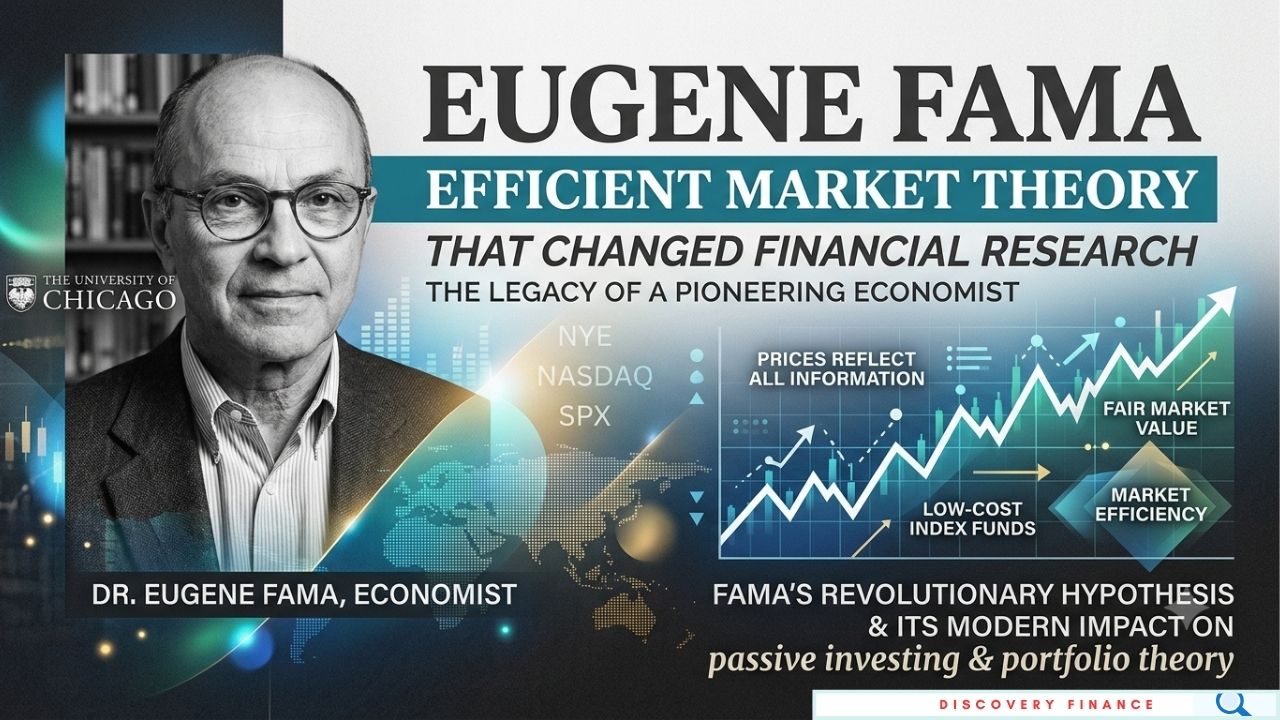
The Core Concept Behind the Eugene Fama Efficient Market Theory
At its heart, the Eugene Fama Efficient Market Theory (often called the Efficient Market Hypothesis, or EMH) posits that the market is a highly effective machine. If new information comes out – say, a company’s earnings report or a major geopolitical shift – the price of that stock adjusts almost instantaneously to reflect that new data.
Because prices reflect all known information, Fama argued that you cannot consistently buy undervalued stocks or sell at inflated prices to make a profit that exceeds the general market return. It’s a humbling reality check! This is quite a departure from the high-stakes, speculative world often seen in Jesse Livermore: Trading Lessons from One of History’s Greatest Speculators. While Livermore chased massive wins through timing and intuition, Fama’s research suggests that for most of us, long-term, consistent investing is the smarter path.
Why the Theory Still Matters Today
Even if you don’t agree with every aspect of the theory, it has profoundly influenced how professional investors and index funds operate today. By proving that beating the market is incredibly difficult, Fama helped popularize the low-cost, passive investing strategies that millions of people use to build wealth for retirement.
The theory teaches us that instead of wasting energy trying to outsmart the market, we are better off:
- Keeping Costs Low: Choosing low-fee index funds over expensive actively managed ones.
- Staying Disciplined: Avoiding emotional trading triggered by temporary market volatility.
- Focusing on the Big Picture: Prioritizing long-term growth and personal savings rates.
At the end of the day, whether you’re a firm believer in the efficiency of the markets or you think there are still pockets of opportunity to explore, Fama’s work reminds us to stay grounded. Investing doesn’t have to be a frantic race to find the “perfect” trade. By tuning out the noise, building a solid savings foundation, and staying consistent, you can steer your own financial ship with confidence. What’s your take – do you think the market is truly efficient, or are there still ways for everyday investors to find an edge? Keep your head level, stay curious, and happy investing!
Share this:




2 Comments
Pingback:
Pingback: