Bernie Madoff Ponzi Scheme That Became the Largest Financial Fraud
When we talk about corporate fraud and Wall Street scams, one name always rises to the top of the conversation: Bernie Madoff. For decades, the Bernie Madoff Ponzi Scheme operated in plain sight, pulling in billions of dollars from unsuspecting investors, charities, and high-profile celebrities alike. It is a story that still fascinates and horrifies us, serving as the ultimate reminder of how greed and unchecked trust can derail the financial world.
If you are looking to take charge of your own financial security and ensure your personal assets are properly managed, exploring practical tools like the best budgeting apps to streamline your financial finances can help you stay grounded, transparent, and completely on top of your money.
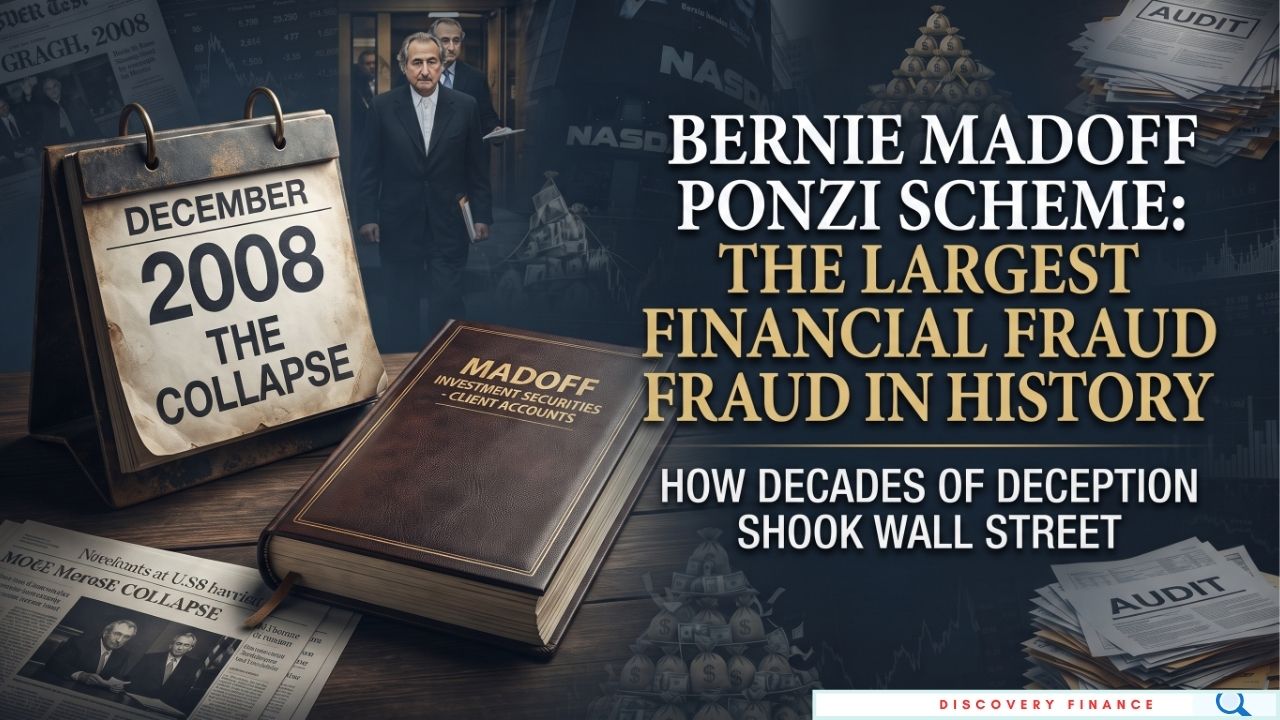
How the Bernie Madoff Ponzi Scheme Fooled Wall Street for Decades
To understand how Bernie pulled off the largest financial fraud in history, you have to look at the psychology behind it. Madoff didn’t promise wild, get-rich-quick crypto gains or absurd 500% monthly returns. Instead, he promised steady, reliable, slightly-above-average returns year after year—even when the broader market was crashing.
That illusion of consistency was his superpower. Investors thought he had a secret, proprietary trading strategy. In reality, he wasn’t trading stocks at all. He was simply depositing incoming cash into a single master bank account and using it to pay off “returns” to earlier investors. It was a classic, low-tech shell game wrapped in high-society exclusivity.
Madoff played hard to get, making people feel privileged just to be invited into his fund. That psychological trap kept people from asking too many hard questions. Much like modern corporate blow-ups—similar to the structural warning signs explored in Bill Hwang Archegos collapse that shook global banks—the operation relied heavily on a lack of transparency, closed doors, and a blind faith in institutional reputations.
Unraveling the Bernie Madoff Ponzi Scheme and Its Aftermath
Every house of cards eventually runs out of cards. For Madoff, the end came during the 2008 global financial crisis. As panicked clients rushed to withdraw billions of dollars, the phantom money simply wasn’t there. The well had run dry, and the scheme collapsed under its own weight, wiping out life savings, retirement funds, and philanthropic foundations overnight.
The fallout was monumental. It forced regulators, banks, and everyday investors to completely rethink how they vet financial professionals. We learned the hard way that if an investment strategy is too complex to explain, or if the returns look too good to be true, it is time to walk away.
Ultimately, the Madoff scandal left a permanent scar on Wall Street’s conscience. It teaches us a very personal lesson about money: no matter who is managing your cash, transparency, independent verification, and keeping a close eye on your own financial landscape are your absolute best defenses.
What steps do you currently take to verify the transparency and security of your own investments or savings accounts?
Share this:



One Comment
Pingback: