Why 7-Eleven U.S. Footprint Is Shrinking Fast
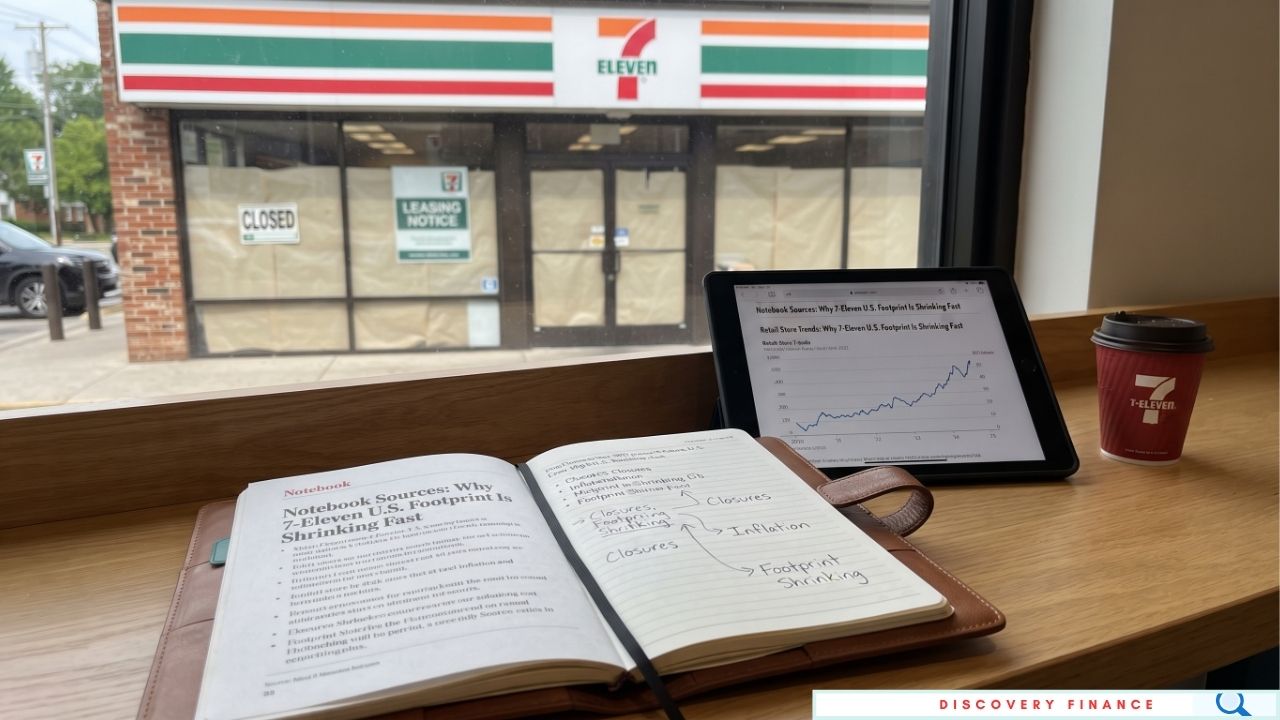
Hey there, fellow convenience store snack lover! Have you noticed that it’s getting just a tiny bit harder to find your favorite late-night Slurpee or emergency bag of chips around the corner? If you feel like your neighborhood has fewer neon green-and-orange signs than it used to, you aren’t imagining things. The 7-Eleven U.S. Footprint is actively shrinking, and it’s happening faster than the most of us ever expected.
Let’s grab a cup of coffee and dive into why this massive retail giant is trimming down its store count, what’s driving the change, and what it means for your quick-stop runs.
What’s Happening to the 7-Eleven U.S. Footprint?
If you’ve been keeping an eye on retail news, you might have experienced déjà vu – similar to the massive retail shifts you can read about over at GameStop store closures. Retail landscape changes are hitting everywhere right now.
For 7-Eleven, its parent company, Seven & i Holdings, dropped some heavy news in its fiscal earnings report: the brand is planning to close 645 stores across North America. Even though they are opening a couple hundred new locations, the closures heavily outpace the opening, marking the fifth consecutive year that the chain’s overall location volume has dropped.
- The Scale of Change: Hundreds of stores are vanishing or shifting formats.
- Economic Pressures: Inflation has pinched lower-to-middle-income shoppers, leading to a noticeable drop in daily foot traffic.
- Strategic Pivots: Not all shuttered doors mean the end of the location – some are transitioning into wholesale fuel-only stations.
Why Is the 7-Eleven U.S. Footprint Contracting Now?
So, why are these closures hitting us now? Well, a lot of it comes down to shifting consumer habits and the heavy sting of inflation. Over the past couple of years, everyday costs skyrocketed, and everyday shoppers started watching their wallets much closer. When budgets get tight, those quick, spontaneous convenience store runs are often the first things people cut back on.
Interestingly, while dealing with tighter budgets, many folks are also learning how to master their cash floe by exploring psychological hacks to stop impulse spending to keep their finances on track. When consumers curb those impulsive snack purchases en masse, convenience stores feel the pinch right away.
Furthermore, 7-Eleven’s leadership has been focusing heavily on streamlining performance, trimming underperforming locations, and prepping for a massive structural shift. They aren’t just giving up; they are trying to restructure a massive business model that faces rising labor costs, shifting fuel sales, and changing commuter habits.
The Future of the Corner Store Experience
Don’t worry – 7-Eleven isn’t disappearing completely. Even with a smaller footprint, they remain a titan in the convenience space. Instead of sticking strictly to the tiny, old-school box layout, the company is pivoting toward larger-format stores featuring upgraded fresh food menus, seating areas, and better integration with delivery services like 7NOW.
It’s definitely bittersweet to see classic neighborhood locations close their doors, but retail evolution is always moving forward.
Have you noticed any of your local convenience spots shutting down or transforming into gas-only stations yet?
Share this:


You May Also Like

I’m 30 with $1M in the Bank: 5 Things I Never Buy to Keep Building Wealth at 30

From Debt to Millions: A Deep Dive into Dave Ramsey Net Worth and How He Built It