Mixed Economic Signals: Inflation vs. Labor
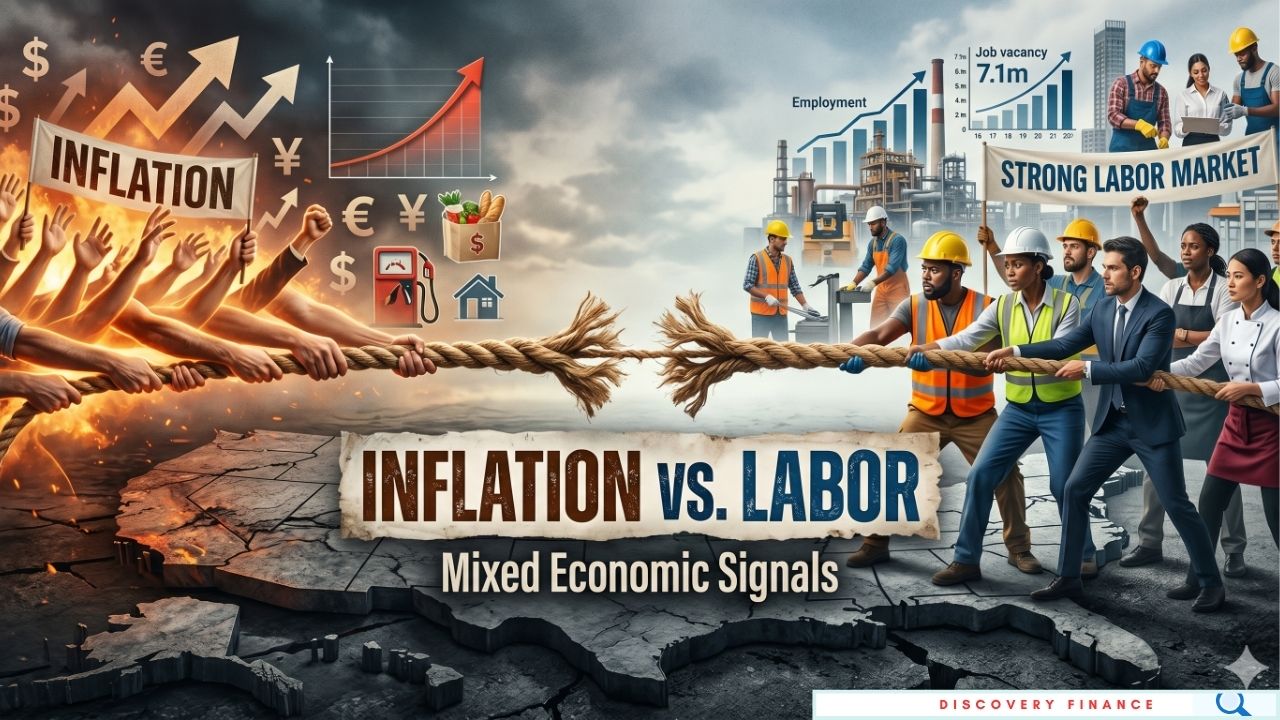
Hey there! If you’ve been scrolling through the news lately, you might have noticed a bit of a “tug-of-war” happening in the U.S. economy. We are seeing some pretty mixed signals right now, particularly when we look at the tension of inflation vs. labor. On one hand, the job market is showing incredible strength, but on the other, persistent price pressures and global tensions are starting to weigh on certain parts of our daily lives.
Navigating the Tension of Inflation vs. Labor
It’s a bit of a head-scratcher, isn’t it? While we are seeing a record-high labor force participation rate for prime-aged women at 78.5% and job openings ticking back up to 7.1 million, things aren’t all sunshine and rainbows. The service sector is actually starting to feel the pinch. Because of those persistent inflationary pressures and uncertainty from Middle East tensions, we’ve seen the first reduction in demand for new work since 2024.
This economic balancing act is exactly why so many people are looking for a safe spot for their savings. If you’re trying to figure out your next move, you should check out this guide on high-yield savings accounts: where to park your cash as interest rates shift to make sure your hard-earned money is still working for you.
Why the Balance of Inflation vs. Labor Matters for You
The reason this “tug-of-war” is so important is that it directly influences what the Federal Reserve does next with interest rates. When the labor market is this tight, it can sometimes keep inflation higher for longer, which leads to those “Federal Reserve problems” we keep hearing about.
In fact, the anxiety over how the Fed will handle these signals has led to what many are calling Warsh Worries: why the next Fed chair has the markets on edge, especially with potential leadership changes on the horizon. Whether it’s the cost of your groceries or the interest on your mortgage, the battle between a hot job market and cooling service demand is going to shape our financial landscape for the rest of 2026. Stay tuned, stay informed, and as always keep an eye on those personal finances!
Share this:



One Comment
Pingback: